Interaktywna mapka szlaku rowerowego: https://wislany-szlak-opactw.pplx.app/
Dwa opactwa, dwa wieki, jedna rzeka. Dwadzieścia sześć kilometrów, które czyta się jak otwartą księgę.
Są trasy, które pokonuje się dla samego ruchu – żeby rozprostować nogi, złapać wiatr, zmęczyć się przyjemnie. I są takie, które są opowieścią. Trasa wiodąca lewym brzegiem Wisły od Tyńca do Mogiły, należy do tych drugich. Zaczynasz ją na wapiennej skale, na której mnisi modlą się od dziesięciu wieków, a kończysz pod gotyckim krzyżem, do którego od siedmiuset lat pielgrzymują ludzie. Pomiędzy nimi jest rzeka – cierpliwa, szeroka, zakręcająca leniwie pod Wawelem – i dwadzieścia sześć kilometrów, które można przejechać w dwie, trzy godziny, a opowiadać o nich znacznie dłużej.
Weź rower. Najlepiej rano, gdy mgła jeszcze leży na rozlewiskach pod Tyńcem i pierwsze światło zsuwa się po murze opactwa. Resztę zostaw rzece – ona poprowadzi.
Start: skała, na której trwa modlitwa
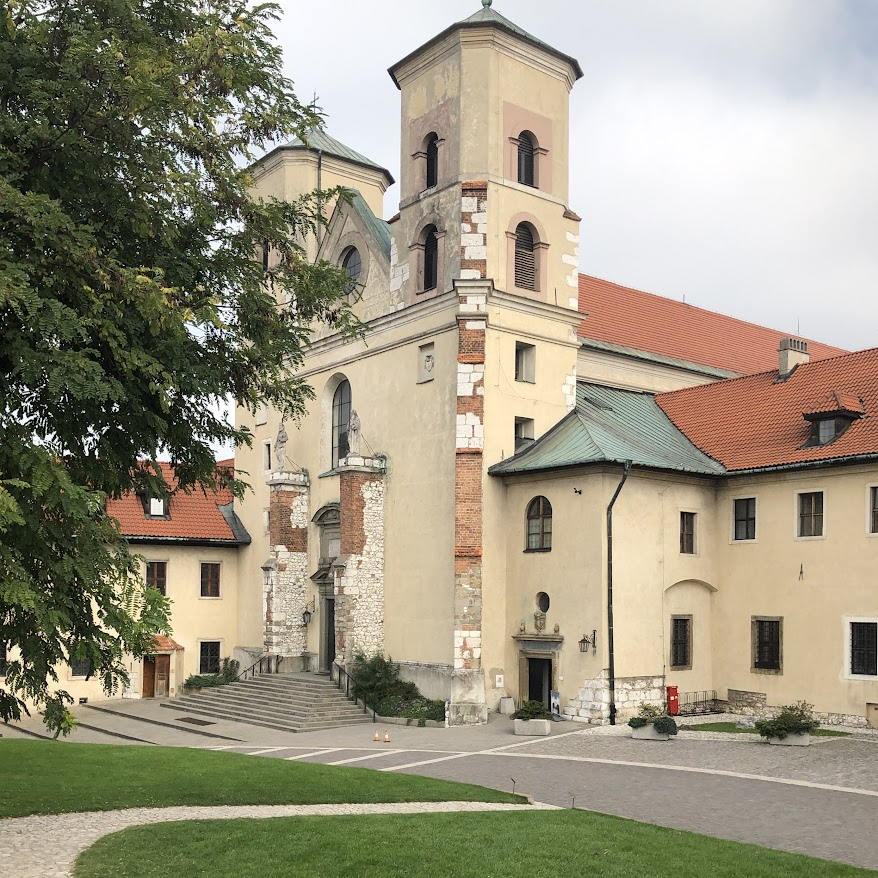
Tyniec zaczyna się od skały. To nie metafora – opactwo benedyktynów dosłownie wyrasta z wapiennego wzgórza nad zakolem Wisły, jakby kościół i klasztor były przedłużeniem kamienia, a nie czymś na nim postawionym. Stoisz u podnóża i zadzierasz głowę, a mur zdaje się rosnąć wprost z calizny. To najstarszy istniejący klasztor w Polsce. Mnisi są tu obecni – z jedną tylko przerwą, między rozwiązaniem opactwa w 1816 roku a powrotem w 1939 – od dziesięciu wieków.
Według tradycji zapisanej przez Jana Długosza fundacja sięga około 1044 roku i wiąże się z Kazimierzem I Odnowicielem; część badaczy przypisuje ją jego synowi, Bolesławowi II Szczodremu, i przesuwa na drugą połowę XI stulecia. Spór historyków nie ma tu większego znaczenia dla tego, co czujesz, stojąc w bramie: to miejsce jest starsze niż większość tego, co znasz. Pierwszym opatem był Aaron. Od tamtej pory płynęły tędy stulecia.
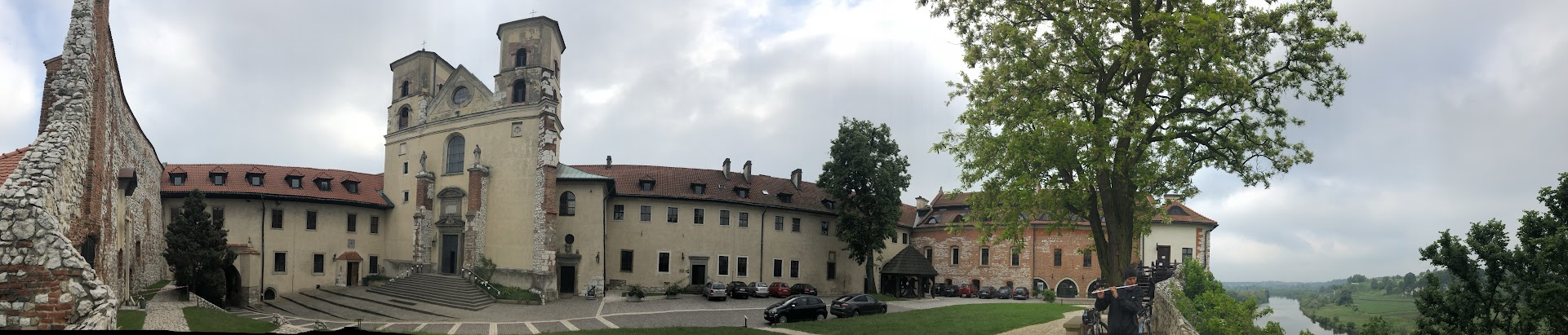
Wejdź do kościoła świętych Apostołów Piotra i Pawła. Przez romańskie i gotyckie warstwy przebija barok – wnętrze przebudowano w latach 1618–1622 staraniem opata Stanisława Łubieńskiego. Zatrzymaj się przy głównym ołtarzu z czarnego marmuru, dziele Franciszka Placidiego, i przy ambonie w kształcie łodzi – barokowym pomyśle Franciszka Józefa Mangoldta, który zamienia kazanie w rejs. Poszukaj w murze śladu najstarszego: fragmentu romańskiej ściany z ciosów i portalu z drugiej połowy XI wieku. To dotyk pierwszego budulca, kamień, który pamięta początek.
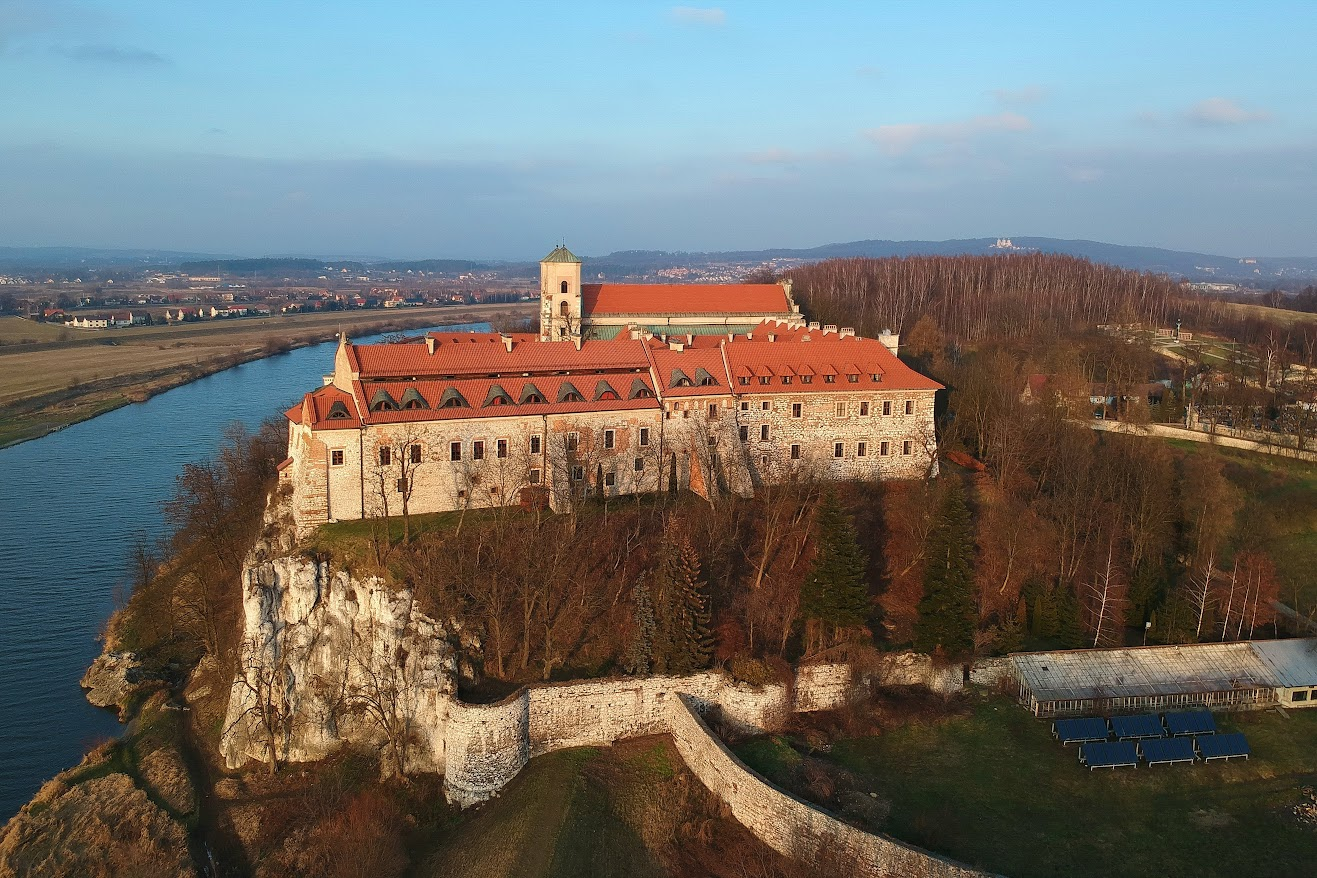
A potem wyjdź na taras nad Wisłą. Stąd widać dokąd jedziesz – rzekę, która zaraz stanie się twoją towarzyszką.
Zanim ruszysz, zobacz koniecznie:
- romańską ścianę z ciosów i portal z II połowy XI wieku – najstarszą tkankę opactwa,
- kościół św. Piotra i Pawła z barokowym wnętrzem,
- rokokowy ołtarz główny z czarnego marmuru,
- ambonę w kształcie łodzi,
- taras widokowy nad zakolem Wisły.
Rzeka prowadzi
Pierwsze kilometry to oddech. Wyjeżdżasz spod skały i niemal natychmiast jesteś sam na sam z rzeką – po lewej rozlewiska, łęgi, ptactwo, po prawej szeroka, spokojna woda. Nawierzchnia jest utwardzona i wygodna, trasa płaska; to jedna z tych dróg, na których nogi pracują same, a głowa może błądzić.
Około szóstego kilometra mijasz tor kajakowy „Kolna” pod Pychowicami – przystań, rozlewiska, miejsce, gdzie woda staje się sportem. Potem krajobraz zaczyna się zmieniać: zieleń łęgów ustępuje miastu. Pod Salwatorem, w okolicach Mostu Zwierzynieckiego, zaczynają się krakowskie bulwary i rzeka wkłada miejski kostium.
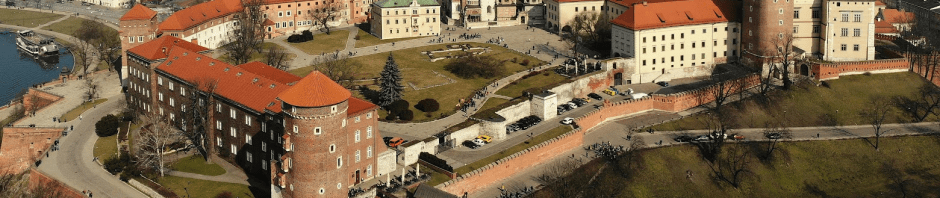
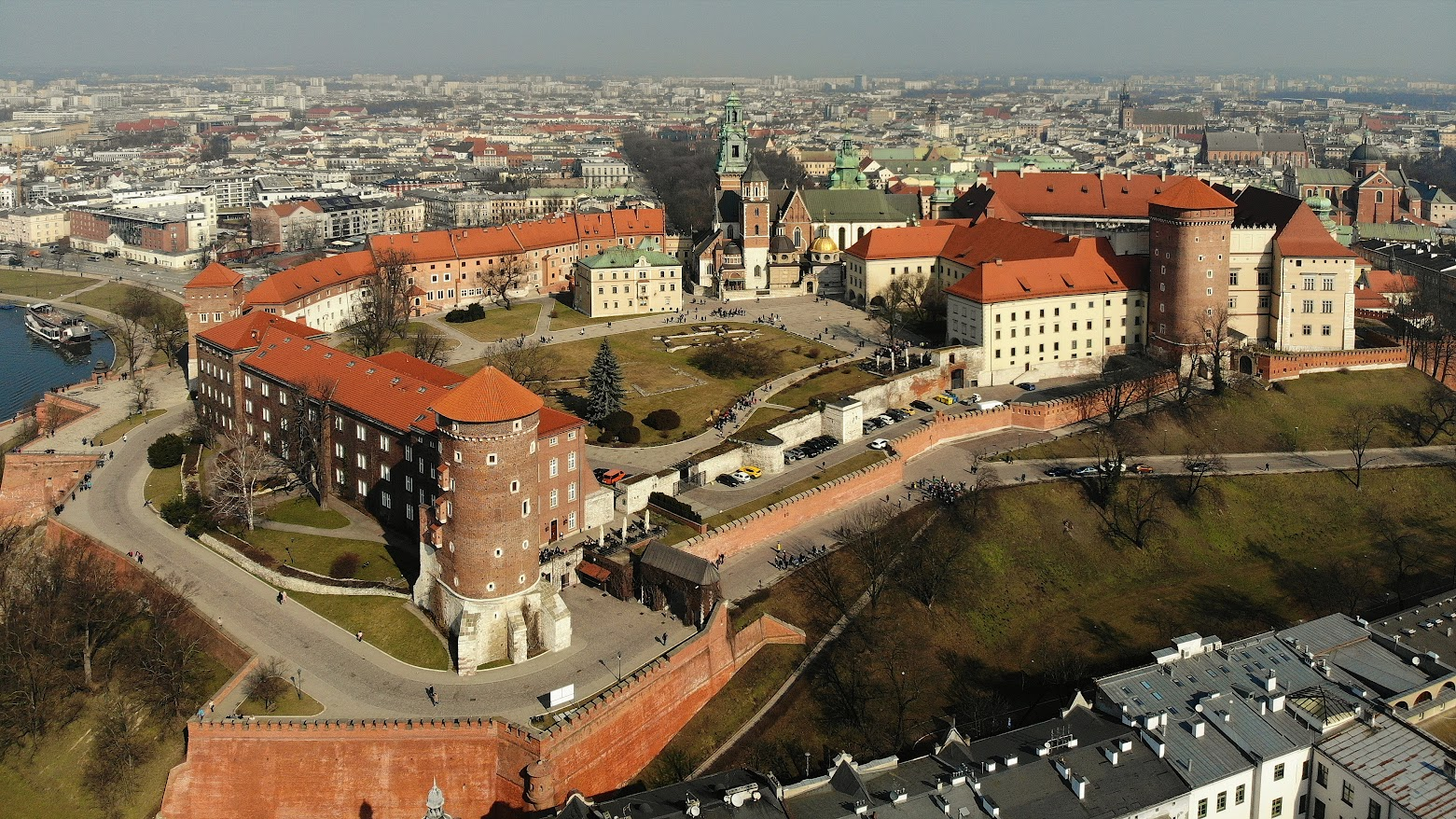
I wtedy przychodzi moment, dla którego warto było wsiąść na rower. Na czternastym mniej więcej kilometrze, z lewego brzegu, otwiera się panorama Wawelu znad Wisły. Wzgórze, katedra, mury – widziane od strony wody, z perspektywy, której nie da pieszemu żaden dziedziniec. Zatrzymaj się. Tu robi się zdjęcie, które potem długo się ogląda.
Dalej Most Grunwaldzki i Kazimierz, węzeł Wiślanej Trasy Rowerowej – miejsce, gdzie rzeka i miasto splatają się najściślej. A potem Kraków znów zaczyna się rozluźniać. Mijasz Łąki Nowohuckie, obszar przyrodniczy o zaskakującej dzikości jak na sąsiedztwo wielkiej dzielnicy, i dojeżdżasz do ujścia Dłubni – niepozornej rzeczki, która za chwilę okaże się kluczem do całej tej opowieści. To nad nią, osiemset lat temu, osiedli ci, do których właśnie zmierzasz.
Punkty, przy których warto zwolnić:
- tor kajakowy „Kolna” / Pychowice (ok. 6 km),
- bulwary wiślane od Salwatoru i Mostu Zwierzynieckiego (ok. 12 km),
- panorama Wawelu znad Wisły (ok. 14 km),
- Most Grunwaldzki i Kazimierz (ok. 17 km),
- Łąki Nowohuckie i ujście Dłubni (ok. 23 km).
Meta: krzyż, do którego się wraca
Mogiła zaskakuje. Spodziewasz się szarzyzny Nowej Huty, a trafiasz na średniowieczne opactwo schowane wśród zieleni, nad Dłubnią, z dala od huku. Cystersi przybyli tu w 1222 roku, sprowadzeni przez biskupa krakowskiego Iwona Odrowąża z dolnośląskiego Lubiąża. Wybrali miejsce nad rzeką – bo cystersi wybierali zawsze wodę, ciszę i pracę – i zaczęli budować.
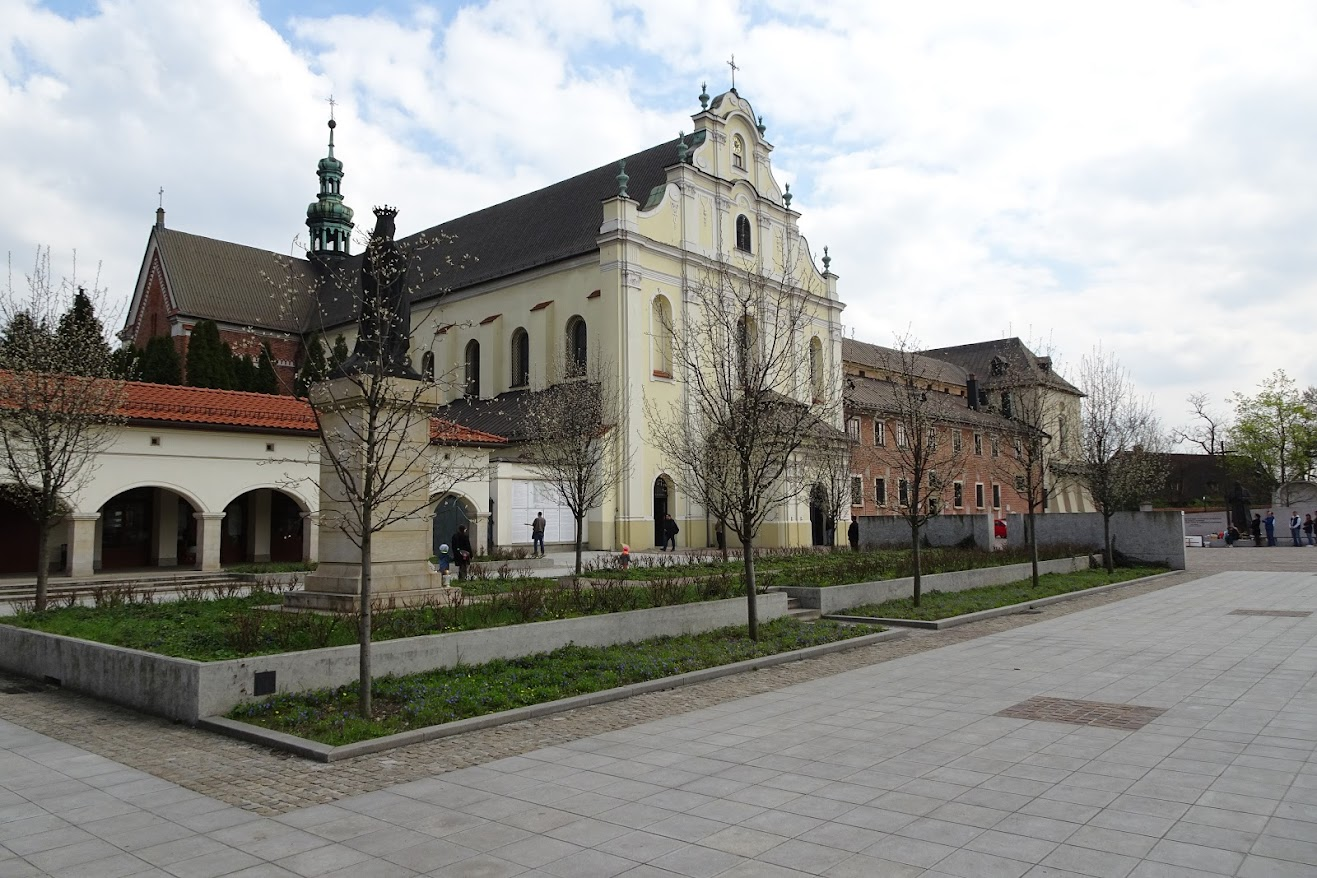
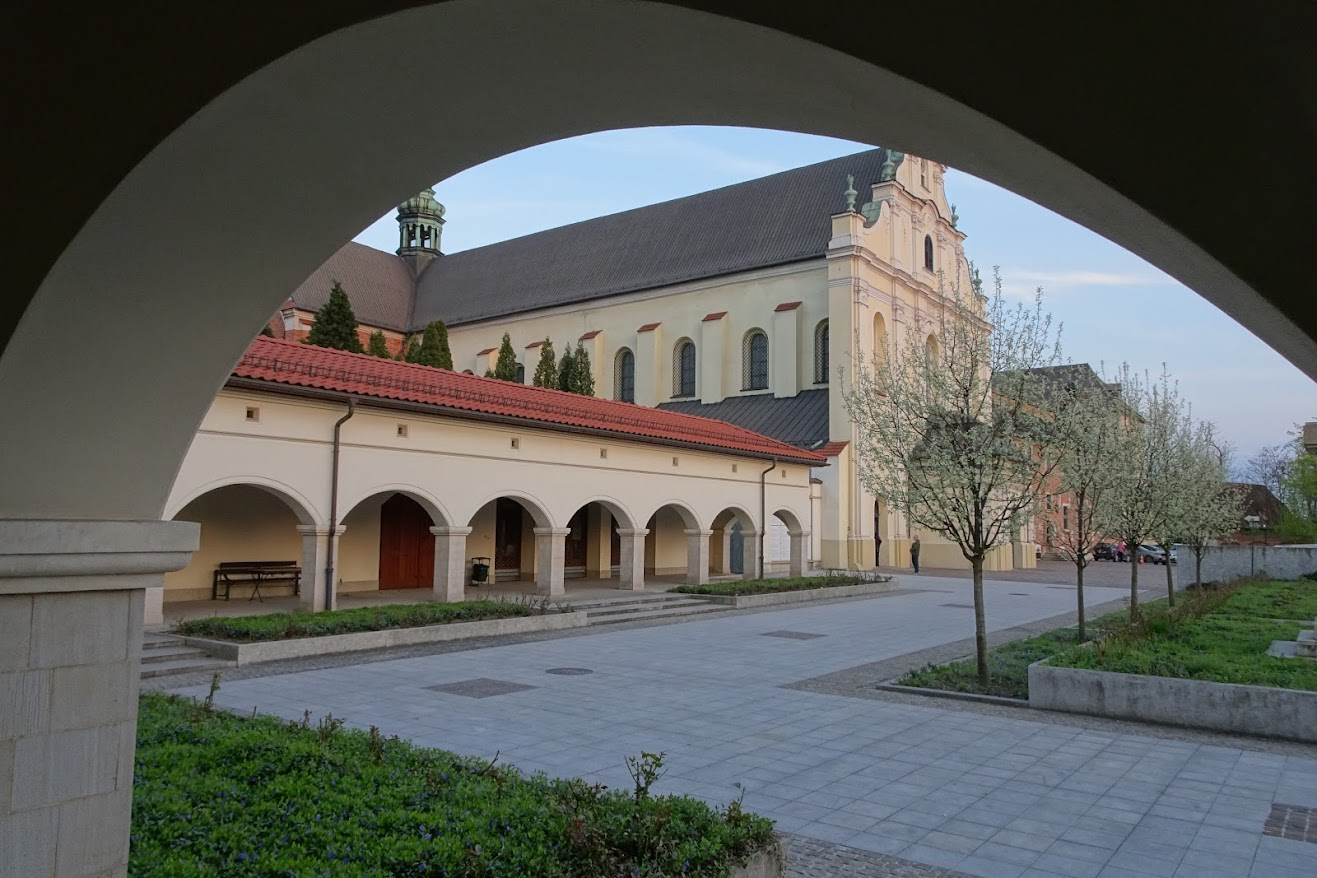
Bazylika Wniebowzięcia Najświętszej Maryi Panny i świętego Wacława wznosiła się przez dziesięciolecia; konsekrowano ją 5 maja 1266 roku. Plan łacińskiego krzyża, surowy romańsko-gotycki rygor cysterskiej architektury, w którym piękno bierze się z proporcji, nie z ozdoby. Wspólnota trwa tu nieprzerwanie ponad siedemset pięćdziesiąt lat. Od 14 września 2023 roku opactwo jest Pomnikiem Historii, a od 1970 roku świątynia nosi tytuł bazyliki mniejszej.
Ale sercem Mogiły jest krzyż. W Kaplicy Krzyża Świętego, za barokową kratą z połowy XVII wieku, wisi gotycki krucyfiks z połowy XIV stulecia – Pan Jezus Mogilski – wraz z relikwiami Krzyża Świętego. To do niego od wieków idą pielgrzymi; to on uczynił z Mogiły sanktuarium. Stań w półmroku kaplicy, w ciszy, która jest tu gęsta jak w żadnym muzeum.
I nie wyjeżdżaj, póki nie zobaczysz malowideł. W latach 1536–1538 mnich Stanisław Samostrzelnik, cysterski malarz i miniaturzysta, pokrył wnętrza renesansową dekoracją, której barwy do dziś zdumiewają. Przejdź się gotyckim krużgankiem z czasów Kazimierza Wielkiego – chłodnym, rytmicznym, stworzonym do tego, by w nim milczeć i myśleć.
W Mogile zobacz koniecznie:
- bazylikę Wniebowzięcia NMP i św. Wacława (1222–1266),
- Sanktuarium i Kaplicę Krzyża Świętego z barokową kratą,
- gotycki krucyfiks Pana Jezusa Mogilskiego (XIV w.),
- renesansowe malowidła Stanisława Samostrzelnika (1536–1538),
- gotyckie krużganki z epoki Kazimierza Wielkiego.
Dwa zakony, jedna rzeka
Najpiękniejsze w tej trasie jest to, że łączy ona dwa różne sposoby trwania. Tyniec to benedyktyni – ora et labora, modlitwa i praca na skale, ciągłość mierzona dziesięcioma wiekami. Mogiła to cystersi – woda, cisza, surowy rygor i krzyż, do którego się wraca. Jedno opactwo zaczyna się w XI wieku, drugie w XIII. Jedno wyrasta z kamienia, drugie z rzeki. A pomiędzy nimi płynie Wisła, która widziała oba początki i wszystko, co było potem.
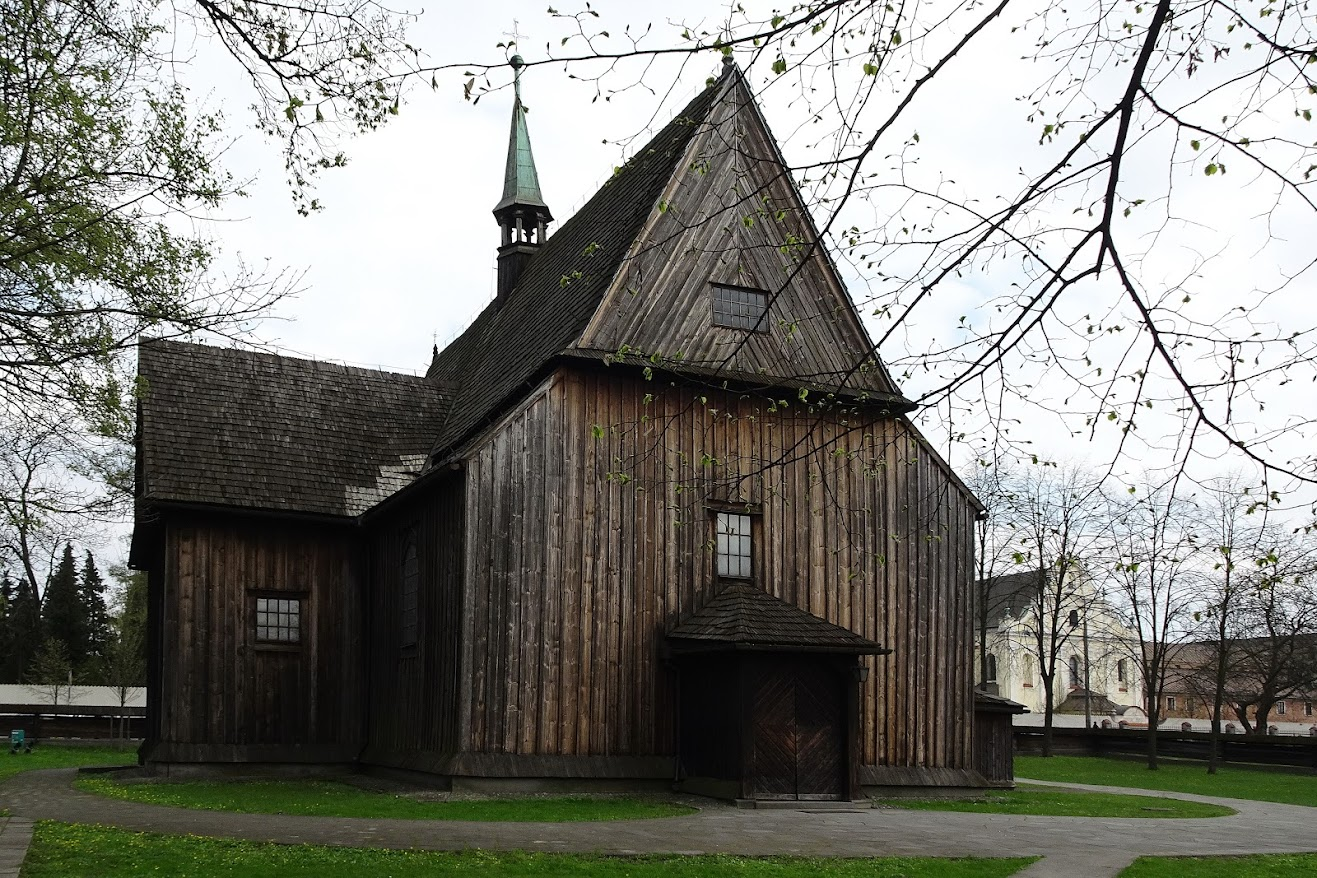
Przejechałeś dwadzieścia sześć kilometrów, ale tak naprawdę przejechałeś przez kilka stuleci. Usiądź na koniec gdzieś nad Dłubnią, zrzuć plecak, wyjmij aparat albo szkicownik. Światło późnego popołudnia układa się tu miękko. To dobry moment, żeby zrozumieć, że niektóre drogi prowadzą nie tylko z miejsca do miejsca, ale z czasu do czasu.
A rzeka płynie dalej. Jak płynęła.
Praktycznie
- Dystans: ok. 26 km, lewy brzeg Wisły.
- Czas jazdy: 2–3 godziny bez postojów; z opactwami i fotografią – cały dzień.
- Trudność: łatwa, trasa płaska, nawierzchnia utwardzona.
- Start: Opactwo Benedyktynów w Tyńcu, ul. Benedyktyńska 37.
- Meta: Opactwo Cystersów w Mogile, ul. Klasztorna 11 (Nowa Huta).
- Najlepsza pora: wczesny ranek (mgły nad rozlewiskami) lub późne popołudnie (miękkie światło na murach).
From Rock to Mogiła. Cycling the Vistula, from the Benedictines of Tyniec to the Cistercians of Mogiła
Two abbeys, two centuries, one river. Twenty-six kilometres that read like an open book.
There are routes you ride simply for the motion – to stretch your legs, catch the wind, tire yourself out pleasantly. And there are routes that are a story. This one, running along the left bank of the Vistula from Tyniec to Mogiła, belongs firmly to the second kind. You begin it on a limestone rock where monks have prayed for ten centuries, and you end it beneath a Gothic cross that pilgrims have come to for seven hundred years. Between them lies the river – patient, broad, curving lazily beneath Wawel – and twenty-six kilometres you can cover in two or three hours, yet talk about for far longer.
Take a bike. Best in the morning, while the mist still lies over the backwaters below Tyniec and the first light slides down the abbey wall. Leave the rest to the river – it will lead the way.
Start: the rock where prayer endures
Tyniec begins with a rock. That is no metaphor – the Benedictine abbey literally grows out of a limestone hill above a bend in the Vistula, as if church and monastery were an extension of the stone rather than something set upon it. You stand at the foot and tilt your head back, and the wall seems to rise straight from the bedrock. This is the oldest surviving monastery in Poland. Monks have been present here – with a single interruption, between the abbey’s dissolution in 1816 and their return in 1939 – for ten centuries.
According to the tradition recorded by Jan Długosz, the foundation reaches back to around 1044 and is linked to Casimir I the Restorer; some scholars attribute it to his son, Bolesław II the Generous, and place it in the second half of the eleventh century. The historians’ dispute matters little to what you feel standing in the gateway: this place is older than most of what you know. The first abbot was Aaron. Centuries have flowed past ever since.
Step into the Church of Saints Peter and Paul. Through its Romanesque and Gothic layers the Baroque breaks out – the interior was rebuilt between 1618 and 1622 under Abbot Stanisław Łubieński. Pause at the high altar of black marble, the work of Francesco Placidi, and at the boat-shaped pulpit – a Baroque conceit by Franz Joseph Mangoldt that turns a sermon into a voyage. Look in the wall for the trace of the oldest thing here: a fragment of the Romanesque ashlar wall and a portal from the second half of the eleventh century. It is the touch of the first building stone, a stone that remembers the beginning.
And then walk out onto the terrace above the Vistula. From here you can see where you are going – the river that is about to become your companion.
Before you set off, be sure to see:
- the Romanesque ashlar wall and the portal from the second half of the 11th century – the abbey’s oldest fabric,
- the Church of Saints Peter and Paul with its Baroque interior,
- the Rococo high altar of black marble,
- the boat-shaped pulpit,
- the viewing terrace above the bend in the Vistula.
The river leads
The first kilometres are a breath. You ride out from beneath the rock and almost at once you are alone with the river – backwaters, riparian woods and birds on the left, broad, calm water on the right. The surface is hard-packed and comfortable, the route flat; this is one of those roads on which the legs work by themselves and the mind is free to wander.
Around the sixth kilometre you pass the „Kolna” canoe course below Pychowice – a marina, backwaters, a place where water becomes sport. Then the landscape begins to change: the green of the floodplain gives way to the city. Near Salwator, by the Zwierzyniecki Bridge, the Kraków embankments begin and the river puts on its urban dress.
And then comes the moment that made it worth getting on the bike. At roughly the fourteenth kilometre, from the left bank, the panorama of Wawel opens up across the Vistula. The hill, the cathedral, the walls – seen from the water side, from a vantage point no courtyard offers the pedestrian. Stop. This is where you take the photograph you will look at for a long time afterwards.
Further on, the Grunwaldzki Bridge and Kazimierz, a junction of the Vistula Cycle Route – the place where river and city interlace most tightly. And then Kraków begins to loosen again. You pass the Nowa Huta Meadows, a nature area of surprising wildness for the neighbourhood of a great district, and reach the mouth of the Dłubnia – an unassuming little river that will shortly prove the key to this whole story. It was on its banks, eight hundred years ago, that the people you are now heading towards settled.
Points worth slowing down for:
- the „Kolna” canoe course / Pychowice (approx. 6 km),
- the Vistula embankments from Salwator and the Zwierzyniecki Bridge (approx. 12 km),
- the panorama of Wawel across the Vistula (approx. 14 km),
- the Grunwaldzki Bridge and Kazimierz (approx. 17 km),
- the Nowa Huta Meadows and the mouth of the Dłubnia (approx. 23 km).
Finish: the cross you come back to
Mogiła takes you by surprise. You expect the grey of Nowa Huta, and instead you find a medieval abbey hidden among greenery, by the Dłubnia, far from the din. The Cistercians arrived here in 1222, brought by Bishop Iwo Odrowąż of Kraków from Lubiąż in Lower Silesia. They chose a place by a river – for the Cistercians always chose water, silence and work – and they began to build.
The Basilica of the Assumption of the Blessed Virgin Mary and Saint Wenceslas rose over decades; it was consecrated on 5 May 1266. A Latin-cross plan, the austere Romanesque-Gothic rigour of Cistercian architecture, in which beauty comes from proportion, not ornament. The community has endured here without a break for more than seven hundred and fifty years. Since 14 September 2023 the abbey has been a Monument of History, and since 1970 the church has held the title of minor basilica.
But the heart of Mogiła is the cross. In the Chapel of the Holy Cross, behind a Baroque grille from the mid-seventeenth century, hangs a Gothic crucifix from the middle of the fourteenth century – the Lord Jesus of Mogiła – together with relics of the True Cross. It is to this that pilgrims have come for centuries; it is this that made Mogiła a sanctuary. Stand in the half-light of the chapel, in a silence denser than in any museum.
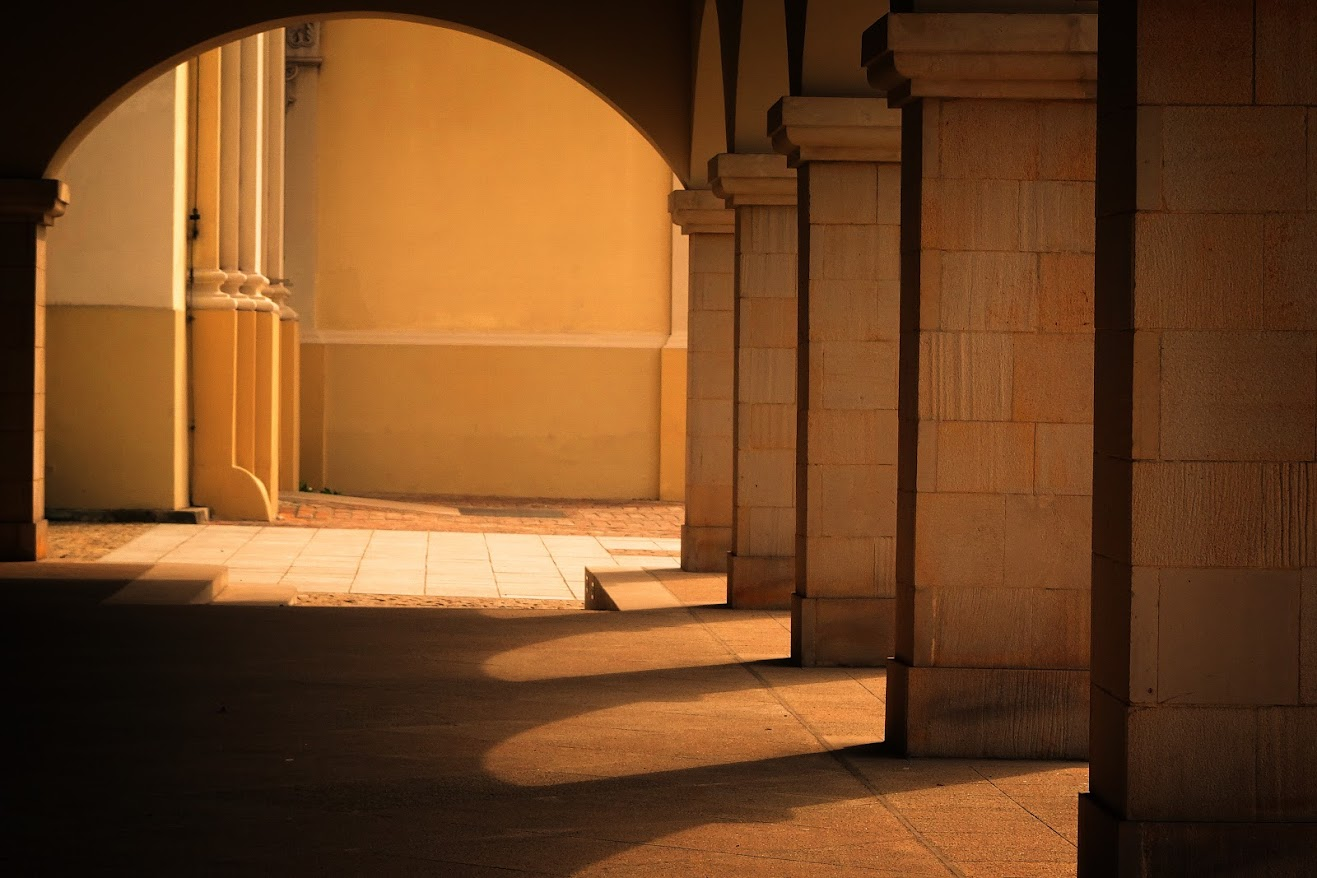
And do not ride away before you have seen the paintings. Between 1536 and 1538 the monk Stanisław Samostrzelnik, a Cistercian painter and miniaturist, covered the interiors with Renaissance decoration whose colours still astonish today. Walk through the Gothic cloister from the time of Casimir the Great – cool, rhythmic, made for keeping silent and thinking.
In Mogiła, be sure to see:
- the Basilica of the Assumption of the BVM and St Wenceslas (1222–1266),
- the Sanctuary and Chapel of the Holy Cross with its Baroque grille,
- the Gothic crucifix of the Lord Jesus of Mogiła (14th c.),
- the Renaissance paintings of Stanisław Samostrzelnik (1536–1538),
- the Gothic cloisters from the age of Casimir the Great.
Two orders, one river
The most beautiful thing about this route is that it joins two different ways of enduring. Tyniec is the Benedictines – ora et labora, prayer and work upon the rock, continuity measured in ten centuries. Mogiła is the Cistercians – water, silence, austere rigour and a cross you come back to. One abbey begins in the eleventh century, the other in the thirteenth. One grows out of stone, the other out of a river. And between them flows the Vistula, which witnessed both beginnings and everything that came after.
You have ridden twenty-six kilometres, but in truth you have ridden across several centuries. At the end, sit somewhere by the Dłubnia, drop your pack, take out your camera or your sketchbook. The late-afternoon light settles softly here. It is a good moment to understand that some roads lead not only from place to place, but from one age to another.
And the river flows on. As it always has.
Practical notes
- Distance: approx. 26 km, left bank of the Vistula.
- Riding time: 2–3 hours without stops; with the abbeys and photography – a full day.
- Difficulty: easy, flat route, hard-packed surface.
- Start: Benedictine Abbey in Tyniec, ul. Benedyktyńska 37.
- Finish: Cistercian Abbey in Mogiła, ul. Klasztorna 11 (Nowa Huta).
- Best time: early morning (mist over the backwaters) or late afternoon (soft light on the walls).


