
Synesthesia is an extraordinary phenomenon that can enrich the creative process and expand the boundaries of creativity. I would like to describe what synesthesia is, how music influences creativity, and how different fields of art can be combined into a cohesive message. Finally, I would like to present practical advice, based on my own reflections, on how to use this knowledge in everyday life.
What is synesthesia?
Synesthesia is a neurological phenomenon in which one sensory experience automatically triggers another. For example, a person with synesthesia might see colors when they hear music or taste flavors when they read specific words. Synesthesia is not a disorder but a unique way of perception that occurs in about 1-4% of the population. Research shows that synesthetes often possess exceptional creative abilities, which may be related to their ability to connect different sensory impressions.
How does music influence creativity?
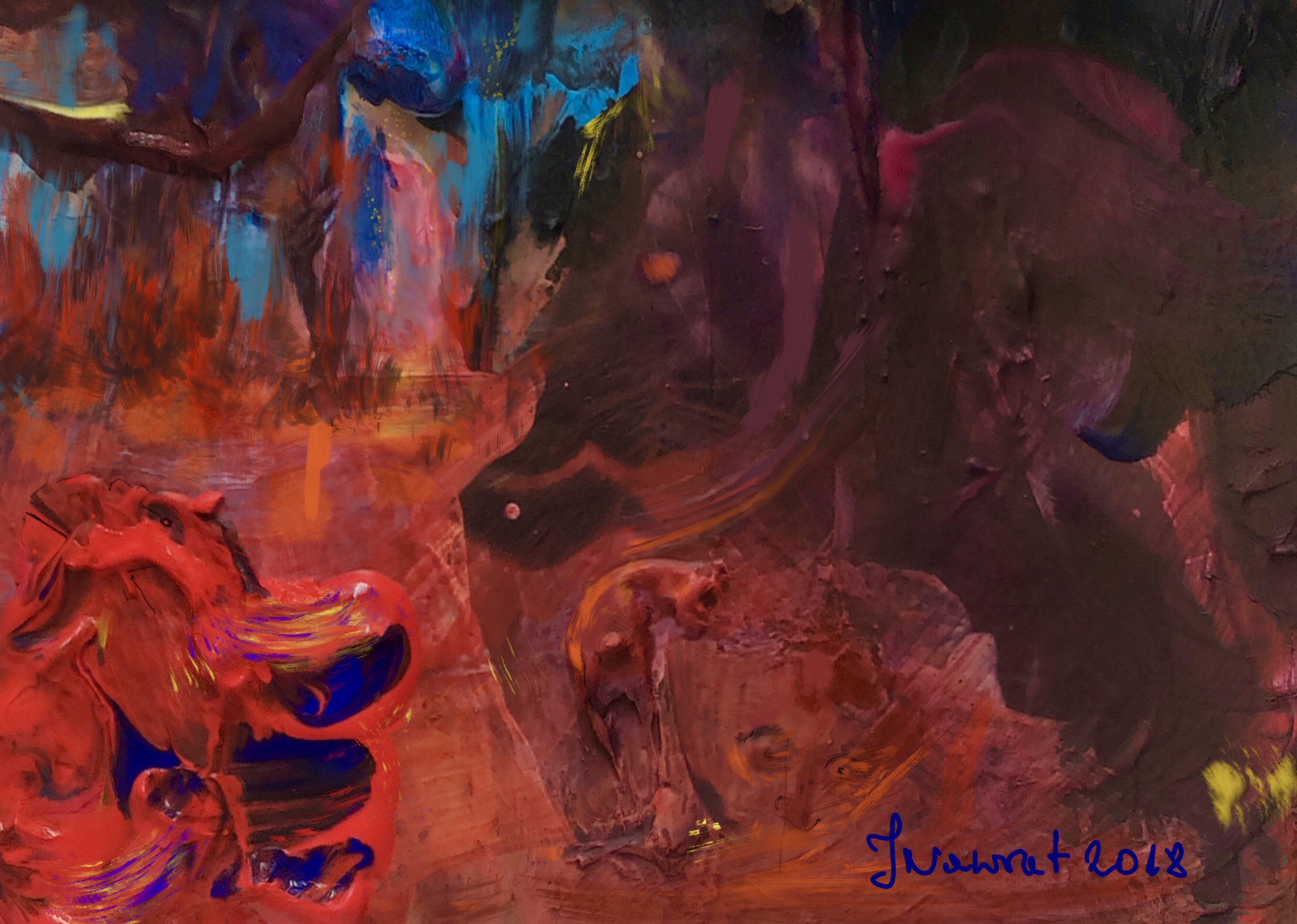
Music is extremely important in stimulating creativity. It can inspire new ideas, aid in solving problems in unconventional ways, and enhance the fluidity and originality of thinking. For synesthetes, music can evoke additional sensory impressions that become a creative inspiration. For example, the renowned composer Olivier Messiaen, who was a synesthete, created music inspired by the colors he saw while listening to sounds.In the context of drawing, writing, and painting, music, particularly jazz, plays a special role. Jazz, with its improvisational nature, can stimulate spontaneity and creative freedom. Drawing to jazz music, an artist might feel greater fluidity in hand movements, resulting in more expressive lines. Writing to the sounds of jazz can inspire the creation of more complex and dynamic narratives, while painting to this music can lead to bolder color and compositional choices.
Combining different fields of art
Synesthesia naturally facilitates the combination of different fields of art into a cohesive message. Artists with synesthesia often use their multisensory experiences in their work. Wassily Kandinsky, a pioneer of abstractionism, painted works inspired by music, giving them musical titles such as „Composition VIII.” Synesthetic experiences can also be utilized in contemporary art, where multimedia installations combining image, sound, and movement are popular.
Practical advice
To use the knowledge of synesthesia and music to develop creativity and mental agility, I suggest:
- Experimenting with multisensory experiences: Try combining different senses during creation, such as painting to music or composing sounds inspired by images.
- Opening up to new forms of art: Attend multimedia exhibitions and performances that combine different art forms.
- Stimulating creativity with jazz music: Listen to jazz during creative work to stimulate imagination and inspire new ideas.
- Developing sensory sensitivity: Pay attention to details in your surroundings and try to combine different sensory impressions in everyday life.
Utilizing the phenomena of synesthesia in creativity can lead to the discovery of new forms of expression and the creation of works that engage the audience on multiple levels of perception.

 Kalejdoskop