
Oakville is a picturesque town on the shores of Lake Ontario, nestled between the bustling cities of Toronto and Hamilton. Despite its proximity to urban centers, Oakville has cultivated a character all its own – a blend of rich history, cultural vibrancy, and natural beauty. With tree-lined streets, a lively waterfront, and a reputation as one of Canada’s most livable communities, Oakville offers general readers and visitors a story that spans from Indigenous heritage and shipbuilding roots to modern suburban charm. Short paragraphs, clear headings, and engaging details below will guide you through Oakville’s landscapes, history, culture, and curiosities.

Lakeside Location and Natural Landscape
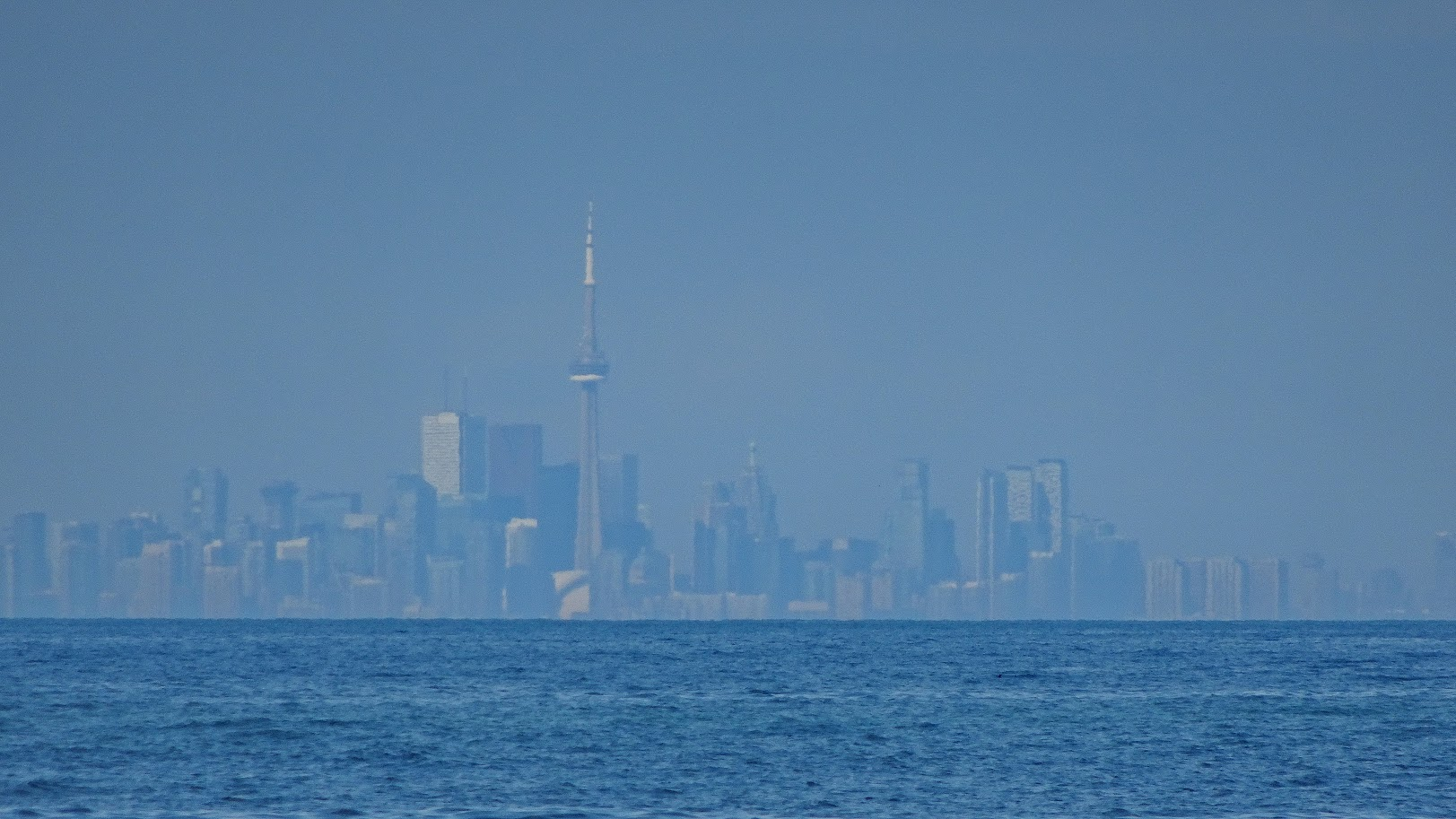
Oakville’s geography is defined by water. The town sits along the north shore of Lake Ontario, granting it expansive lake views and a temperate lakeside climate. Two creeks cut through the landscape – Sixteen Mile Creek in the town’s center and Bronte Creek at the western edge – carving out deep valleys and nurturing rich ecosystems. These waterways once drew Indigenous Mississaugas to the area and later powered early mills. Today they form scenic backdrops for parks and trails, from the ravine trails of Lion’s Valley Park along Sixteen Mile Creek to the wooded paths near Bronte Creek. As part of Southern Ontario’s humid continental climate, Oakville enjoys warm summers and snowy winters moderated slightly by the lake’s influence. Seasonal changes paint the waterfront in different hues: vibrant fall foliage, crisp winter vistas over the frozen lake, and lush green summers perfect for outdoor life.
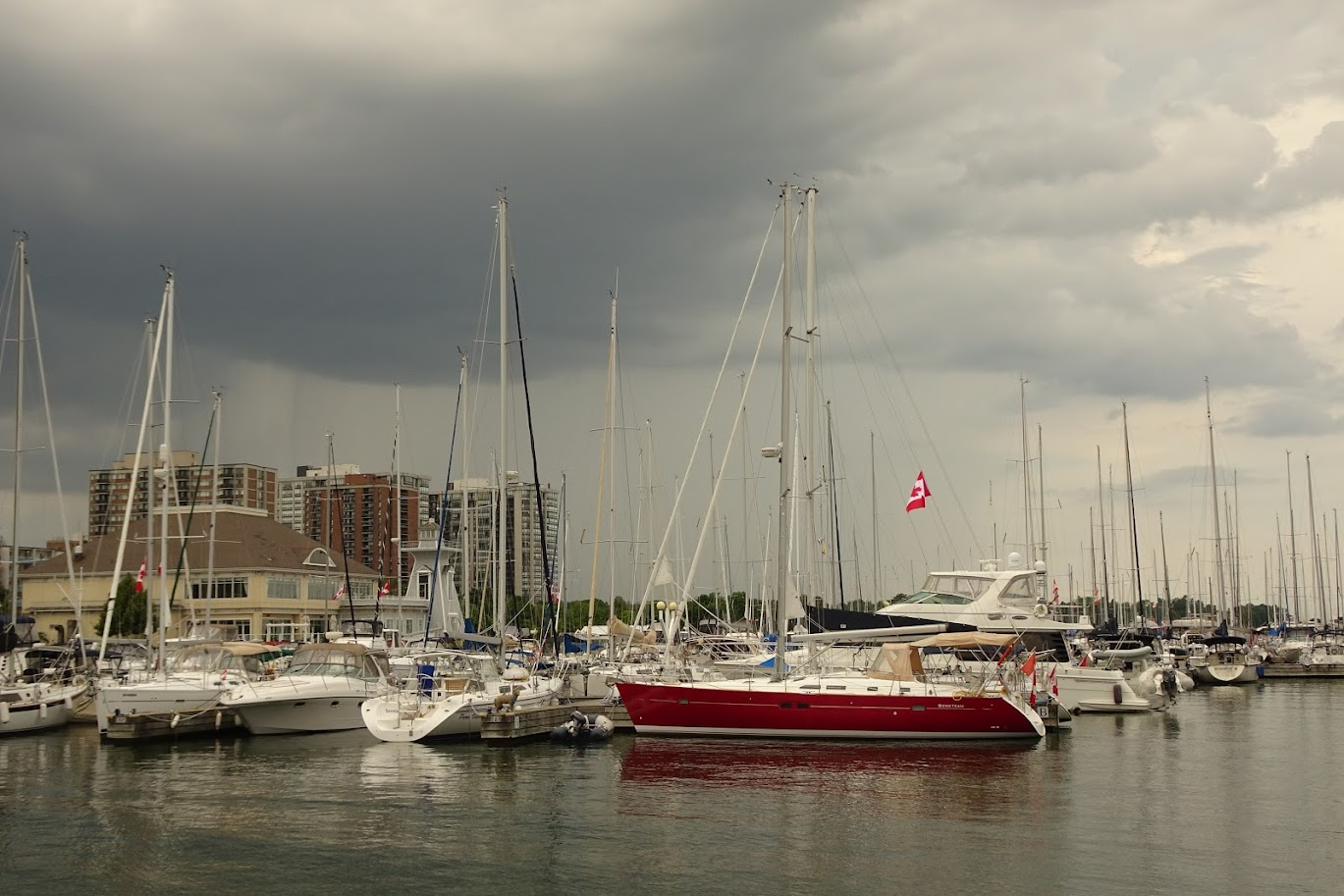
Oakville takes pride in its waterfront parks and natural habitats, preserving pockets of nature even as the town grows. The Great Lakes Waterfront Trail threads through Oakville, connecting a series of parks along the lake. Locals and visitors flock to Coronation Park, a 9.6-hectare lakeside park offering open greens, splash pads, playgrounds, and a beach area. Families picnic under shady trees or gather by the gazebo for community events, all with panoramic views of Lake Ontario’s blue horizon. Further west in Bronte Village, the Bronte Heritage Waterfront Park provides a tranquil harbor setting. This park features a marina boardwalk, a Butterfly Gazebo popular for weddings, and the Fishermen’s Memorial honoring the area’s maritime past. Tannery Park, closer to downtown, offers quieter shoreline trails and fishing spots where anglers cast lines against stunning lake vistas. In the southeast, Gairloch Gardens combines nature and art – manicured flowerbeds (with some 15,000 blooms in summer) surround a pond and sculptures, all on the former estate of James Gairdner. Oakville’s dedication to green space extends beyond the waterfront: Shell Park in the west end boasts rose gardens and even community vegetable plots, while South Shell Park and adjacent woods are prized by birdwatchers as a vital migratory bird stopover, where dozens of species (some at risk) rest and feed during seasonal migrations. From the peaceful shoreline to lush parks and trails, Oakville’s natural landscape is a defining feature that the town carefully conserves and celebrates.
Historic Roots: From Indigenous Lands to a Shipbuilding Hub
Oakville’s story begins with the land’s first stewards, the Mississaugas of the Credit, who lived, fished, and traded along these creek mouths and lakeshores. European settlement followed in the late 18th and early 19th centuries. In 1805, the British Crown purchased vast tracts from the Mississaugas, except for reserve lands at the creek mouths. One of those prized areas was at Sixteen Mile Creek, which in 1827 was acquired by Colonel William Chisholm, a savvy entrepreneur. Chisholm bought 960 acres at the creek’s mouth and laid out a townsite, recognizing the spot’s commercial potential. The harbor he established became the first privately owned port in Upper Canada, and Oakville soon thrived as a shipbuilding center on Lake Ontario. In fact, local legend holds that Chisholm’s nickname was “White Oak,” a nod to the region’s plentiful oak trees, whose sturdy timber was ideal for ship hulls – and these white oak forests may have inspired the town’s very name, Oakville. By the 1830s, schooners were sailing from Oakville loaded with wheat and lumber, and by 1846 the young port community had about 1,500 residents and industries ranging from mills to metalworks.

Through boom and bust, Oakville’s industrious spirit persisted. The 1850s brought a recession that shuttered its biggest foundry, but local ingenuity saw an unusual trade rise in its place – basket-making became a major industry, utilizing local willow and wood to supply the booming markets of nearby Toronto. The Grand Trunk Railway arrived mid-century, linking Oakville by rail and solidifying its status as an important Lake Ontario port of call. As the decades passed, Oakville transitioned from a frontier port to a suburban industrial town. The 20th century saw major employers like oil refineries (by companies that would become BP and Shell) set up on Oakville’s east side, and in 1953 Ford Motor Company of Canada opened its headquarters and assembly plant in town. These industries fueled Oakville’s growth and jobs for generations, although most heavy industry has since faded or been redeveloped. A landmark merger in 1962 expanded Oakville’s boundaries by absorbing nearby villages (Bronte, Palermo, Sheridan, and part of Trafalgar Township), extending the town northwards and westwards. This set the stage for Oakville’s modern suburban development while maintaining the historic cores of those older communities.
One of Oakville’s proudest historical chapters is its role in the Underground Railroad. In the mid-1800s, the town was known as a safe haven for enslaved African Americans fleeing north to freedom. Oakville became one of the Canadian “station stops” where Black refugees settled and built new lives. This early Black community contributed significantly to the local economy and culture, though their stories went under-recognized for many years. Today, efforts are being made to honor that legacy – the Oakville Museum and local historians highlight the tales of those freedom seekers, and an annual Emancipation Day picnic (a tradition dating back to 1850s) was revived in recent years. Through such initiatives, Oakville acknowledges the courage and influence of Black settlers who made it a terminus of the Underground Railroad.
Cultural Life and Community Spirit
Oakville may be labeled a “commuter town” of Toronto, but its cultural life is vibrant and distinctly its own. The town’s diverse population (over 213,000 as of 2021) includes communities of English, Scottish, Irish and Italian heritage alongside large South Asian, Chinese, Arab, and Black Canadian populations. This diversity is reflected in local festivals, cuisine, and community organizations. Strolling through Oakville’s neighborhoods, one can find authentic international eateries, from Indian curries and Middle Eastern falafels to Italian gelato, as well as places of worship serving a mosaic of faiths. The Canadian Caribbean Association of Halton and other cultural groups host events that celebrate multiculturalism, ensuring that Oakville’s community spirit is inclusive and globally aware.

The arts have a prominent place in Oakville’s heart. The Oakville Centre for the Performing Arts, a modern 475-seat theatre designed by famed architect Arthur Erickson, has been a cultural beacon since 1977. It hosts everything from local theatre productions and dance recitals to concerts by international artists, and is home stage to groups like the Oakville Symphony Orchestra and the Oakville Ballet Company. Visual arts thrive at Oakville Galleries, a not-for-profit contemporary art museum with two unique venues – one inside Centennial Square downtown, and the other at Gairloch Gardens amid the lakeside flowers. These galleries curate thought-provoking exhibitions and public programs that draw art enthusiasts from across the region. For young talents, the town offers institutions like the Oakville Children’s Choir (singing strong since 1994) and Sheridan College’s renowned animation and design programs, which have earned Oakville an artistic reputation (Sheridan alumni have even won Oscars in animation).

Cultural events fill Oakville’s calendar, especially in the warm months. Each summer, downtown Oakville swings to the sounds of the Downtown Oakville Jazz Festival, a free outdoor music festival that began in 1992. For a weekend, Lakeshore Road’s boutiques and cafés share the street with stages featuring jazz legends and local bands, drawing crowds to enjoy music under the summer sky. In early fall, the Kerrfest in Kerr Village brings another burst of music and community fun, with free concerts in the park showcasing rock and blues acts. Families look forward to community fairs like the Northeast Oakville Fair, where hot air balloon rides and food trucks herald the start of summer. While the long-running Oakville Waterfront Festival (1982–2010) is now a fond memory, its legacy of fireworks and family entertainment lives on in smaller events and the collective nostalgia. Whether it’s cultural galas at the Oakville Museum (Erchless Estate) or the lively annual Mid-Autumn Moon Festival hosted by local Chinese associations, Oakville’s community spirit finds expression in arts, culture, and shared celebration.

Architectural Heritage and Urban Charm
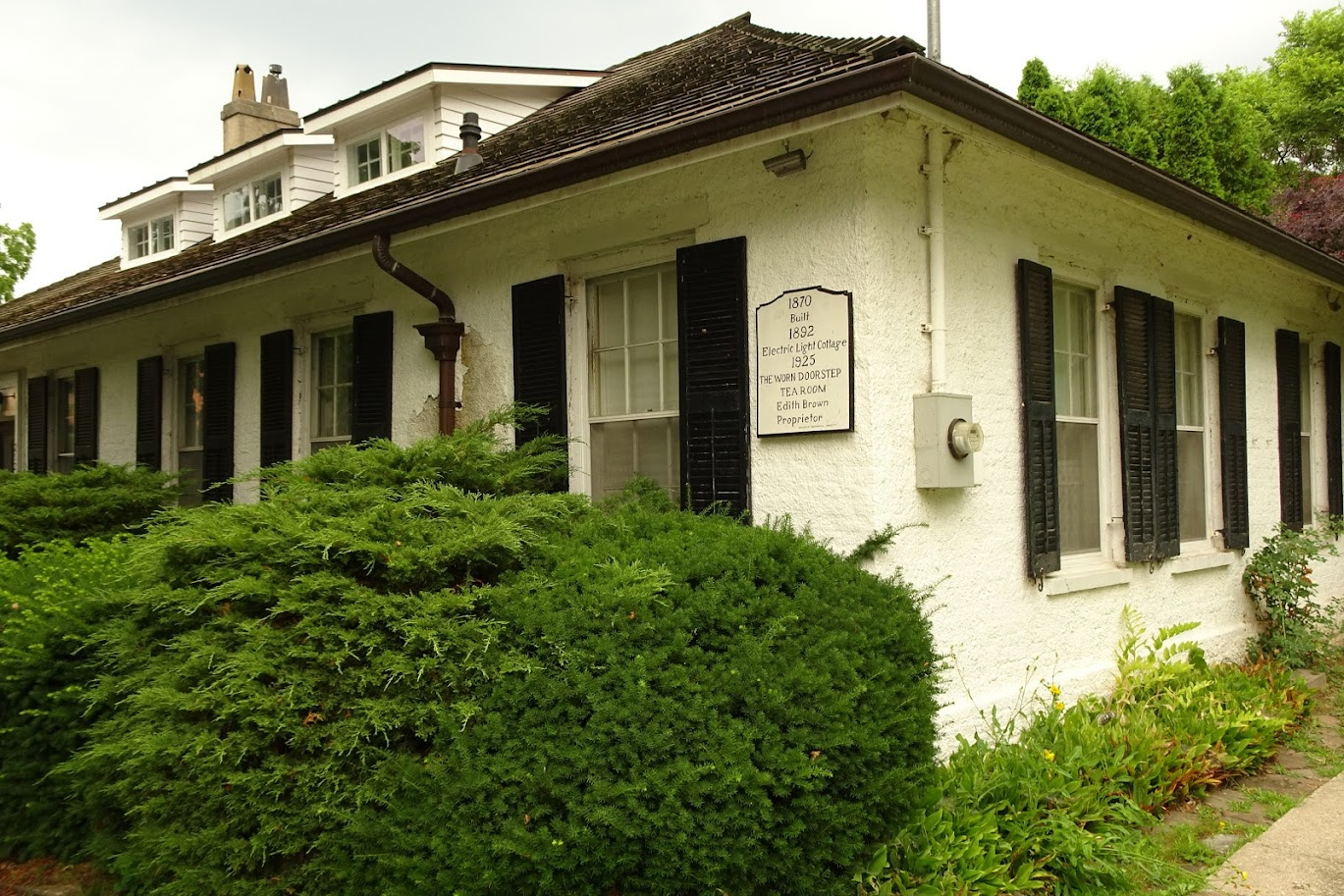
Oakville’s cityscape is an engaging mix of heritage architecture and modern design, all woven into a human-scaled, green-friendly urban plan. The historic Old Oakville downtown, centered around Lakeshore Road and the Town Square (pictured), exudes 19th-century charm. Here, preserved stone and brick buildings house cafés, boutiques, and galleries – many of these structures date back to the 1800s when Oakville was a bustling port. Two of the town’s oldest surviving buildings sit by the lake in Lakeside Park: the Old Post Office (built 1835) and the Thomas House (an 1850s heritage home), both lovingly maintained and open as small museums. A short stroll away stands Erchless Estate, the elegant Georgian manor built in 1858 by Oakville’s founding Chisholm family. With its warm brick façade and grand six-column portico, Erchless today operates as the Oakville Museum, where visitors can step into period rooms and learn about the town’s founding years. Not far from Erchless, the stone Customs House of 1856 (once the busiest spot in the harbor, now an exhibition space) reminds passersby of Oakville’s shipbuilding era. Overlooking downtown from a slight rise is St. Andrew’s Roman Catholic Church, built in 1856 and notable for its Gothic Revival architecture – complete with a soaring spire and intricate stained glass, courtesy of architect Joseph Connolly. These landmarks, among over 900 heritage properties registered in Oakville, reflect a community commitment to preserving the past.

Yet Oakville is not frozen in time; it harmoniously incorporates modern architecture and planned development. In the downtown core, one finds contemporary structures like the Oakville Town Hall, a sleek glass-fronted building opened in 2012 that symbolizes the town’s forward-looking governance. Newer residential areas in north Oakville feature modern townhouses and eco-friendly designs, while the “Uptown Core” has introduced mixed-use urban planning with condos, shops, and transit connectivity. Oakville’s neighborhoods each carry a distinct character by design: Bronte Village retains a cozy maritime feel with its harbour marina and fisherman cottages, Kerr Village has an artsy, eclectic vibe with vibrant street art and independent shops, and Eastlake in the southeast is known for tree-lined avenues and stately homes. The town’s planning emphasizes green space and livability – evidenced by extensive trail systems and parks woven through subdivisions like Glen Abbey and River Oaks. In fact, the Glen Abbey area was built around the famed golf course of the same name, showing how recreation and community were jointly planned. Through heritage conservation districts and strict development guidelines, Oakville manages to grow and modernize without losing its small-town charm and ample greenery. A walk through Oakville might take you past a centuries-old oak tree (the town’s emblematic symbol) shading a modern café patio – a perfect illustration of Oakville’s blend of old and new.
Landmarks and Must-See Attractions
Oakville offers a variety of attractions that appeal to history buffs, nature lovers, and casual visitors alike. Here are some of the town’s top landmarks and sites to experience:
- Oakville Museum at Erchless Estate – The former home of Oakville’s founding family, this lakefront estate-turned-museum showcases local history. Visitors can explore Victorian-era rooms, learn about early industries like shipbuilding and basket-making, and discover exhibits on Oakville’s Black history and Indigenous artifacts. The gardens are beautifully restored to their 1920s design, offering a tranquil stroll with views of the harbor.
- Downtown Oakville & Lakeside Park – Oakville’s downtown district (Old Oakville) is a destination in itself, full of boutique shops, cafés, and restaurants set in historic low-rise buildings. Don’t miss Lakeside Park by the water: along with the historic Post Office and Thomas House, the park’s bandstand and pathways often host summer concerts and community events. A waterfront trail connects this area to the harbor, offering Instagram-worthy views of boats and the Oakville Lighthouse at the pier’s end.
- Bronte Harbour and Village – In Oakville’s west end, Bronte offers a charming waterfront village atmosphere. The Bronte Heritage Waterfront Park features a scenic boardwalk and marina where sailboats bob in the breeze. Nearby, Fisherman’s Wharf and Memorial recall Bronte’s roots as a Lake Ontario fishing port. Enjoy fresh seafood on a patio, watch swans glide by, and visit Sovereign House, an 1830s historic home managed by the Bronte Historical Society (once home to author Mazo de la Roche, adding a literary twist to the local lore).
- Gairloch Gardens & Oakville Galleries – This 4.4-hectare lakeside garden is a feast for the senses. Wander through rose gardens and around a reflective pond, admire outdoor sculptures, and enjoy the panoramic lake view. The mansion on site, a 1920s Tudor-style house, now serves as an art gallery (Oakville Galleries) featuring contemporary art exhibitions. It’s a unique blend of natural beauty and culture – a peaceful spot where art and horticulture meet.
- Glen Abbey Golf Course – A pilgrimage site for golf enthusiasts, Glen Abbey is one of Canada’s most famous golf courses. Designed by legend Jack Nicklaus, it has hosted the Canadian Open a record 30 times since 1977. The course is also home to the Canadian Golf Hall of Fame and a golf museum, where you can delve into the nation’s golfing heritage. Even for non-golfers, the rolling greens and clubhouse (which offers dining) make for a pleasant visit. Community pride in Glen Abbey runs high – when a development plan threatened to turn it into housing, public outcry and municipal action in 2021 helped save the course as green space.
- Bronte Creek Provincial Park – Straddling Oakville’s western border, this 6.4 km² provincial park is an outdoor oasis that feels far from the city. The park offers hiking and biking trails through forests and meadows, a large outdoor pool for summer swims, winter cross-country ski paths, and even a campground for an overnight nature escape. A highlight is the historic Spruce Lane Farmhouse, an 1899 Victorian farmhouse where costumed interpreters host a Maple Syrup Festival each spring and harvest events each fall. Families love the park’s farm area with friendly animals and a play barn, while birdwatchers and photographers flock to catch glimpses of deer, birds, and other wildlife. It’s a perfect place to experience the natural heritage of the Oakville area.
- Oakville Centre for the Performing Arts – Located right in downtown, this modern theatre is the cultural heartbeat of Oakville’s arts scene. Its striking contemporary design (by Arthur Erickson) and intimate stage have been attracting audiences since the 1970s. Check the schedule for an evening show – you might catch a symphony performance, a touring play, or a stand-up comedy night. The Centre underscores Oakville’s commitment to the arts and is a point of pride for locals.

These sites only scratch the surface – each neighborhood in Oakville has its own parks and gems to explore – but they are essential stops to understand the town’s appeal. From historic homes to green parks and vibrant cultural venues, Oakville’s attractions tell the story of a community that treasures both its past and present.
Curious Tales and Local Legends
Beyond the official history and tourist spots, Oakville has its share of quirky stories and legends that add color to its identity. One enduring tale speaks to the town’s very name: as noted, William Chisholm’s moniker “White Oak” and the abundance of oak timber used in shipbuilding likely gave Oak-ville its title. Locals love to point out majestic old oak trees around town, some hundreds of years old, as living monuments to this legacy. In fact, Oakville’s commitment to its leafy namesake is serious – it has extensive tree-planting programs and even a heritage oak that is said to predate the town itself, standing as a silent witness to all of Oakville’s changes.
Oakville also embraces a good ghost story. Each October, the Oakville Historical Society leads popular ghost walks through downtown’s old streets, regaling participants with spooky tales from the past. The Oakville Museum at Erchless Estate is rumored to have its resident spirits – one legend says that on quiet nights you might hear phantom hoofbeats or whinnies from the stables, harkening back to a long-ago fire that tragically killed the Chisholm family’s horses (some storytellers claim their ghosts never left). Another eerie Oakville locale is the so-called “Kerosene Castle,” a grand Victorian mansion built in the 1850s by an oil refining tycoon. Converted into a college today, the mansion earned its spooky nickname after a 19th-century kerosene refinery on site mysteriously burned down, and a recent photo taken of its tower window revealed a ghostly face that has fueled supernatural speculation. Whether one believes in ghosts or not, these legends provide fun fodder for the imagination and showcase Oakville’s penchant for preserving stories along with structures.
Oakville’s connections reach far and wide, yielding some curious cultural exchanges. Did you know the town has a sister city in Japan? Oakville is twinned with Neyagawa, Japan, and in a symbol of friendship, the people of Neyagawa gifted Oakville a striking sculpture titled The Moose and the Wolves. This artwork – featuring metal silhouettes of Canadian moose and wolves – is installed near the harbour and delights passersby with its East-meets-West story. On the sports front, Oakville’s local legends include NHL hockey stars who grew up on its rinks and Olympians who trained in its sports facilities. Even Hollywood has a touch of Oakville: while not widely publicized, portions of TV shows and movies have been filmed on Oakville’s quaint streets and historic homes, taking advantage of its scenic “anytown” quality.
Finally, a charming community story: Oakville has a longstanding Santa Claus Parade each holiday season that is one of the largest in the region. Generations of families line downtown streets to watch whimsical floats and marching bands – but one year in the late 20th century, the parade nearly lost its Santa when the costume went missing. In true Oakville spirit, residents rallied and a replacement Santa (and suit) were swiftly found, saving the day and cementing the parade’s place in local lore. It’s the kind of warm, only-in-a-small-town anecdote that underscores Oakville’s strong community bonds.
In conclusion, Oakville, Ontario is much more than a Toronto suburb on a map. It’s a town where lush parks and lakefront trails meet historic churches and modern art venues, where cultural festivals enliven the streets and quiet legends lurk in heritage homes. The landscapes – from harbour to valley – are rich with natural beauty, and the town’s past is alive in its architecture and museums. Yet Oakville is equally a forward-looking, diverse community, proud of its safe neighborhoods, excellent schools, and engaged citizenry. Whether you’re wandering its waterfront, delving into its history, or simply enjoying a patio on a tree-shaded street, Oakville invites you to experience a unique blend of storytelling richness and everyday livability – a place where the heritage of yesterday and the promise of tomorrow comfortably coexist.
Sources: Oakville’s geographic and historical information are drawn from reputable sources including Wikipedia and the Town of Oakville’s official site. Historical details on early industries, the Underground Railroad, and the town’s development were verified through the Oakville Wikipedia page. Descriptions of parks and natural features were supported by the Town of Oakville’s Parks & Recreation resources. Architectural and cultural landmarks were detailed with the help of local heritage blogs and official records. Curiosities and legends were referenced from community anecdotes and local history walk descriptions. All efforts were made to ensure factual accuracy and provide a comprehensive, engaging portrait of Oakville as of 2025.

 Kalejdoskop